Maximizing Small Spaces:
Innovative Design Solutions
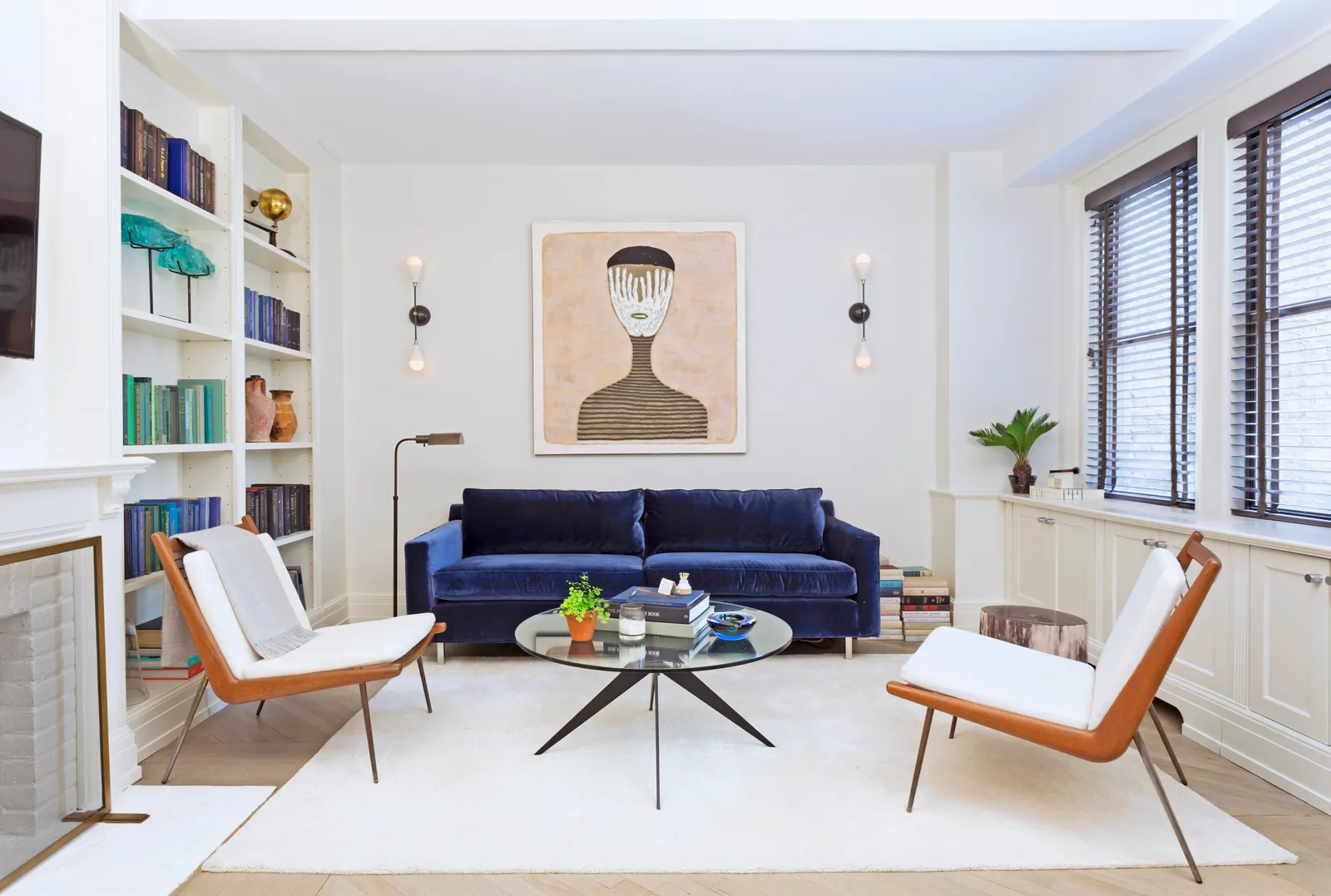
Maximizing a small living space doesn't mean compromising on comfort or style. With thoughtful design and strategic choices, you can transform even the coziest area into a functional and inviting home. Here are some practical tips to help you make the most of your limited space:
1. Embrace Multifunctional Furniture
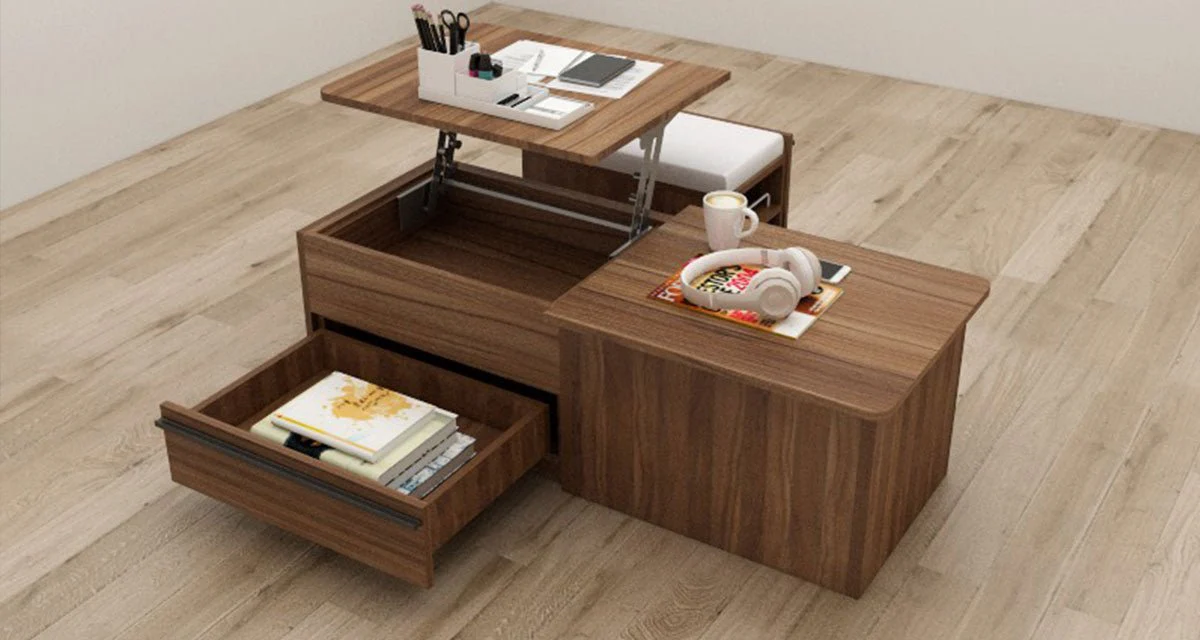
opt for furniture pieces that serve multiple purposes. A sofa bed, for instance, provides seating by day and a sleeping area by night. Similarly, ottomans with built-in storage offer a place to sit or rest your feet while concealing items inside. Foldable dining tables or desks can be expanded when needed and tucked away to free up space. These versatile pieces help reduce clutter and make your space more adaptable.
2. Utilize Vertical Space
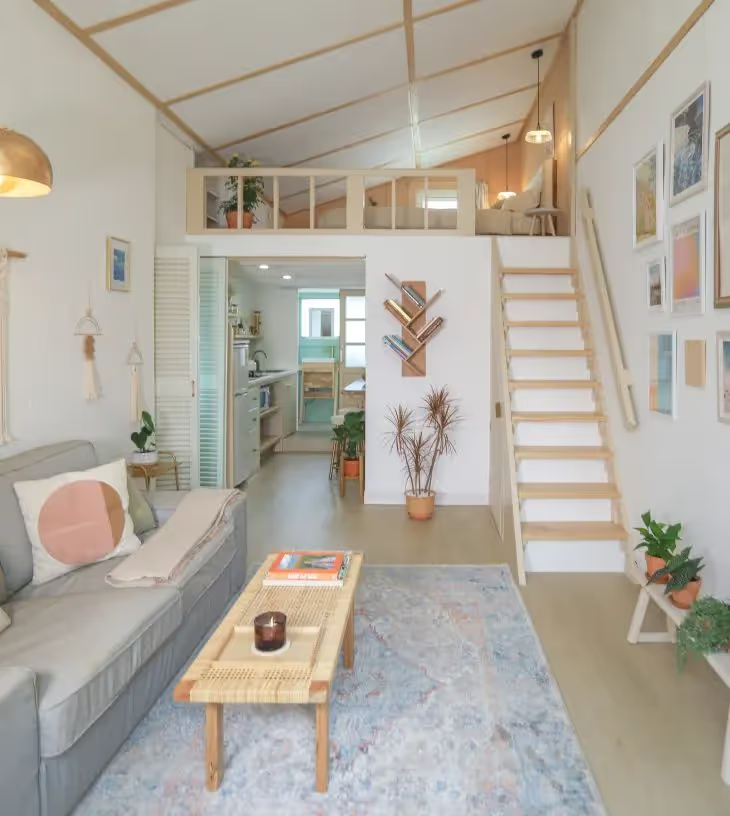
When floor space is at a premium, look upwards. Install wall-mounted shelves or tall bookcases to store books, decor, or kitchenware. Hanging storage solutions, like pegboards or hooks, can keep everyday items within reach without occupying valuable floor area. This approach not only provides additional storage but also draws the eye upward, creating an illusion of height and openness.
3. Choose Light Colors and Reflective Surfaces
Light colors, such as whites, creams, and pastels, can make a room feel larger and more airy. Incorporate mirrors to reflect light and give the illusion of expanded space. Glossy or glass furniture pieces can also contribute to a more open feel, as they allow light to pass through and reduce visual clutter.
4. Keep It Organized and Clutter-Free
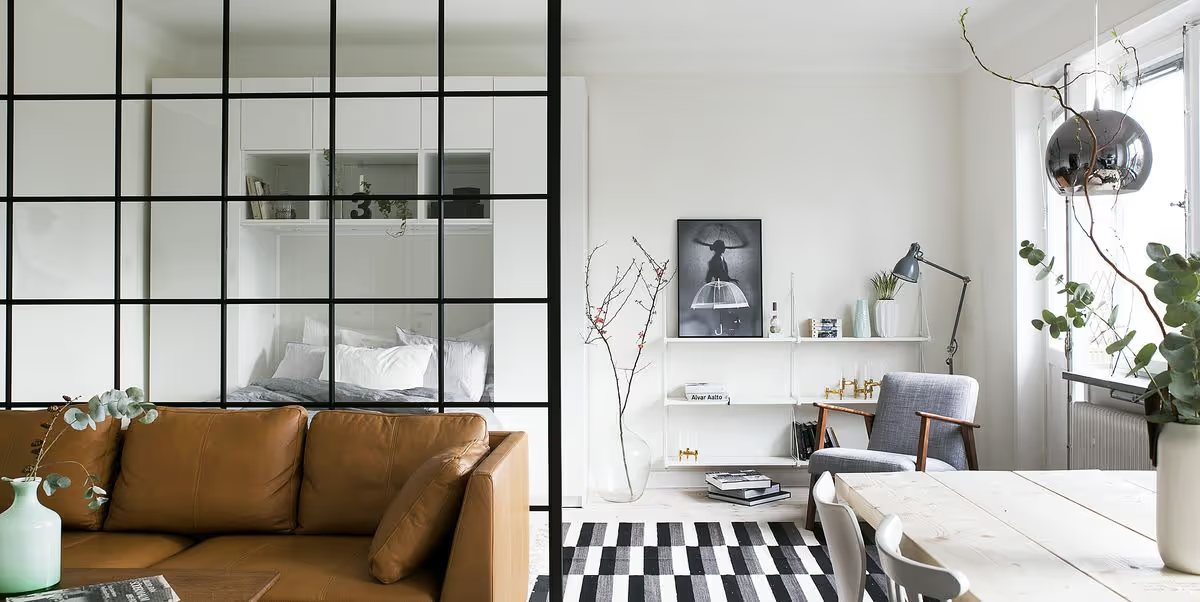
A tidy space appears more spacious. Regularly declutter by removing items you no longer need or use. Invest in smart storage solutions, like under-bed bins or furniture with hidden compartments, to keep belongings out of sight. Adopting a minimalist approach not only enhances the aesthetic appeal but also ensures that every item has its place, contributing to a serene environment.
5. Create Zones Within Open Spaces
By implementing these strategies, you can
maximize your small living space, making it both functional
and stylish. Remember, thoughtful design and intentional
choices are key to creating a home that feels spacious,
regardless of its size.
Define different areas
for various activities, even within a single room. Use rugs,
lighting, or furniture arrangement to delineate spaces for
dining, working, or relaxing. This zoning technique helps
organize the space functionally and makes it feel more
structured and purposeful.

Insights, Inspiration & Expertise
A well-designed space is more than just aesthetics—it’s about feeling at home, maximizing functionality, and making a lasting impression.
schedule your
free call with us.
Schedule Your Free Consultation
dd.avif)
From breathtaking interiors to thoughtfully curated landscapes, our team is committed to excellence in every project. Based in Addis Ababa, we bring a unique blend of creativity, sustainability, and functionality to create spaces that truly work for you."