The Psychology of Color in
Interior Design
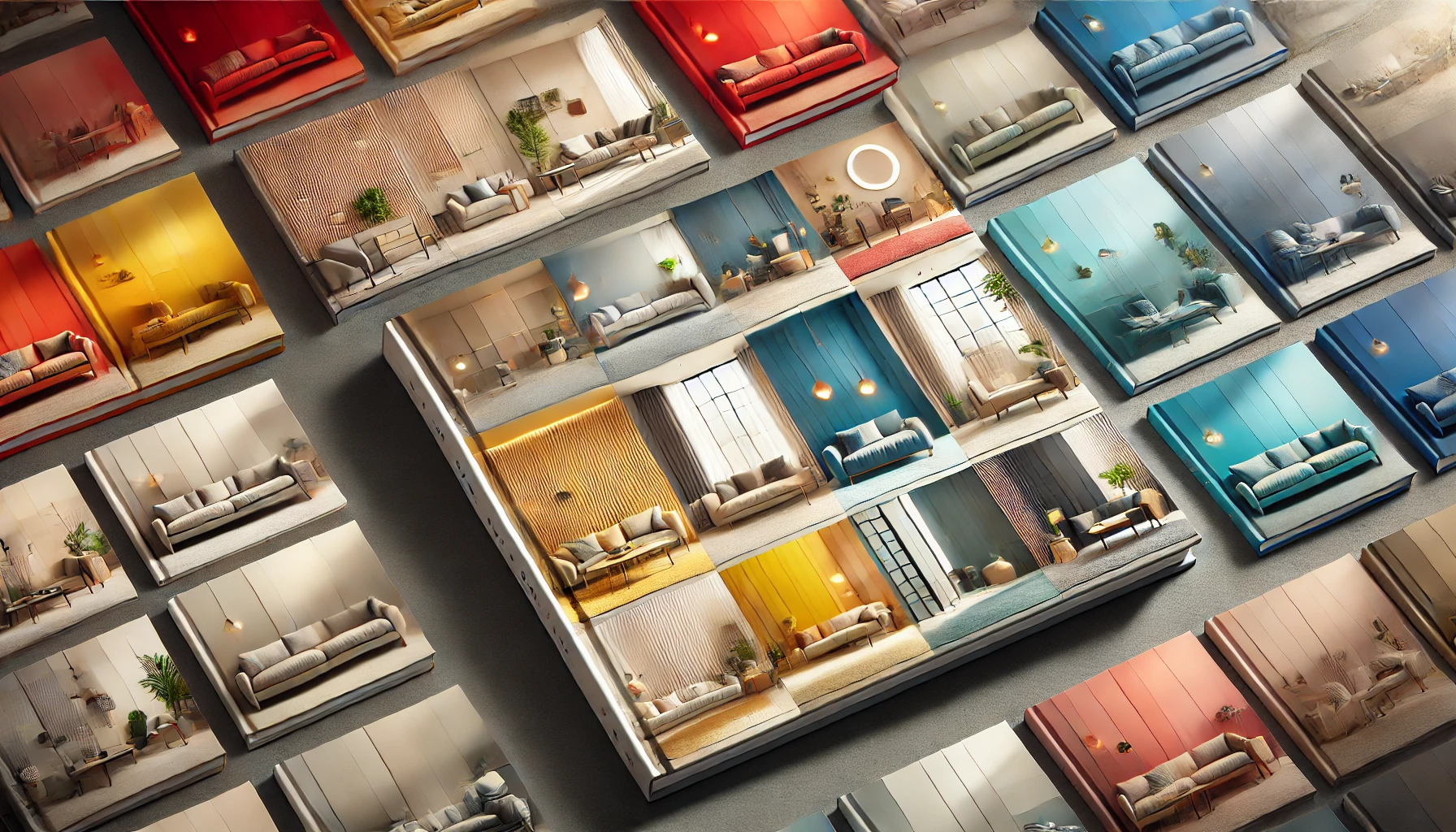
Colors play a pivotal role in interior design, influencing our emotions, behaviors, and overall well-being. By understanding the psychology behind colors, you can create spaces that not only look appealing but also evoke desired feelings and functions.
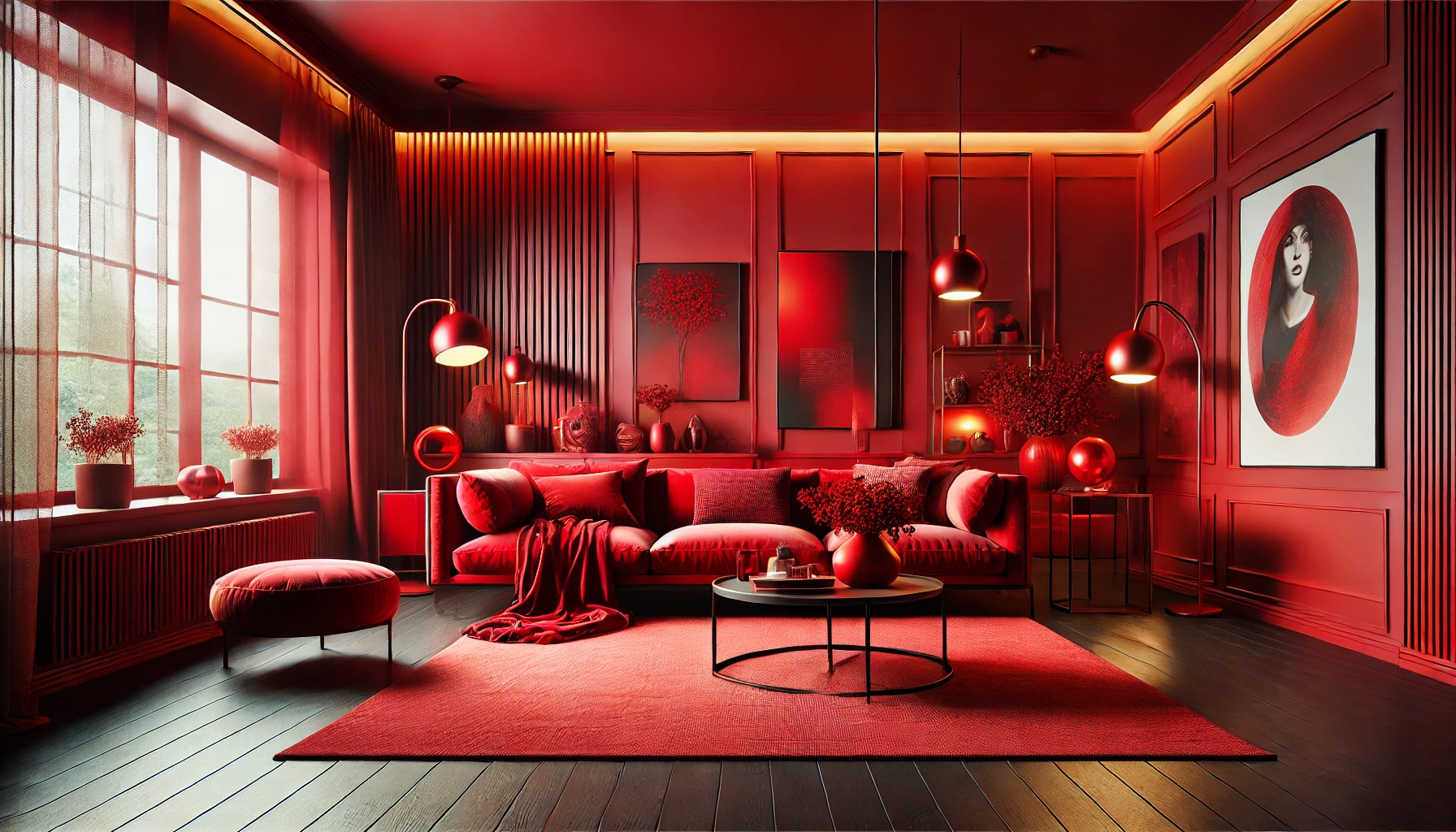
1. Red: Energy and Passion
Red is a stimulating color that can evoke feelings of excitement and passion. It's an excellent choice for spaces meant for socializing, such as dining rooms or living areas, as it can encourage conversation and liveliness. However, in large amounts, red can be overwhelming, so it's often best used as an accent color.
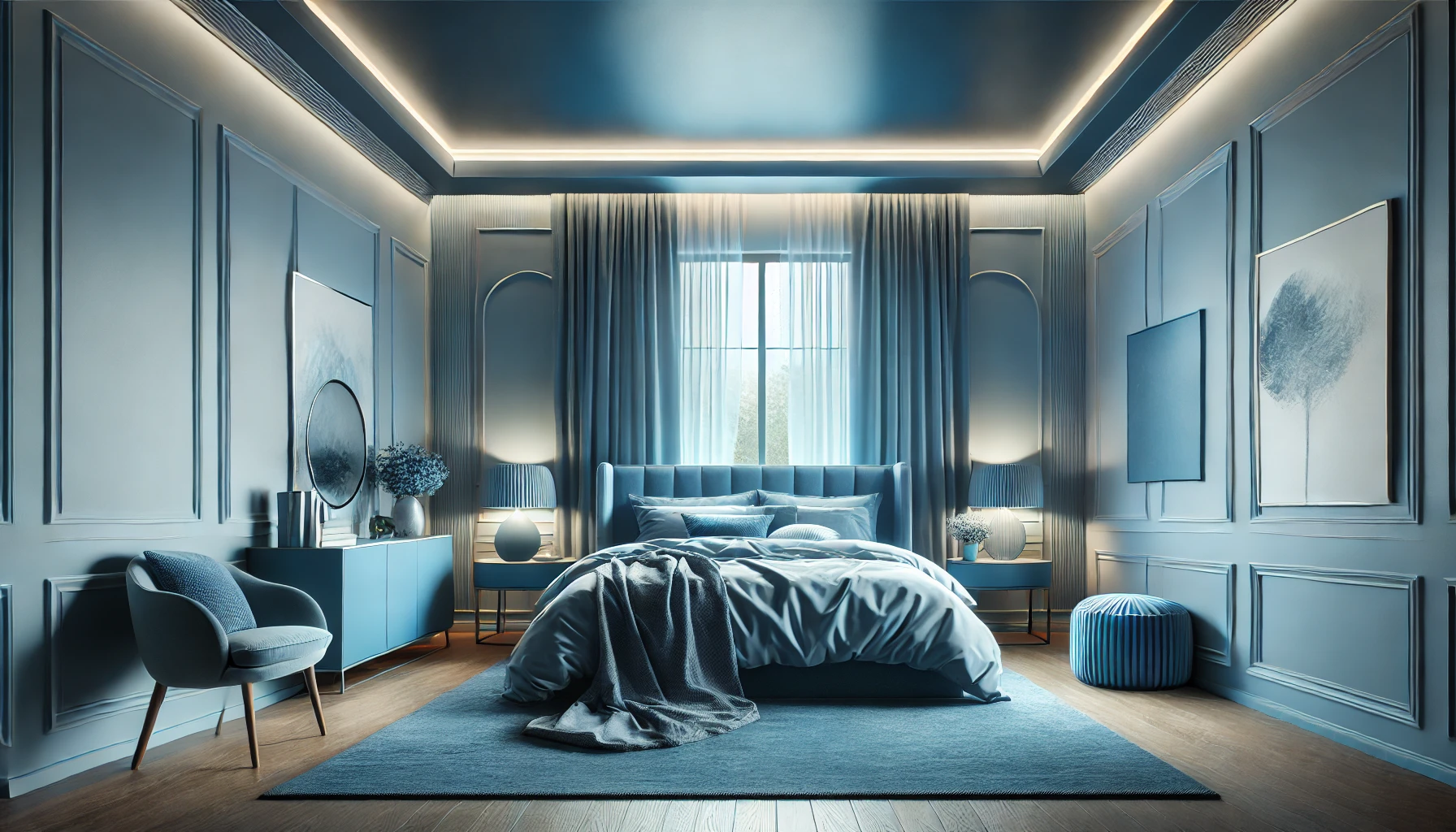
2. Blue: Calm and Serenity
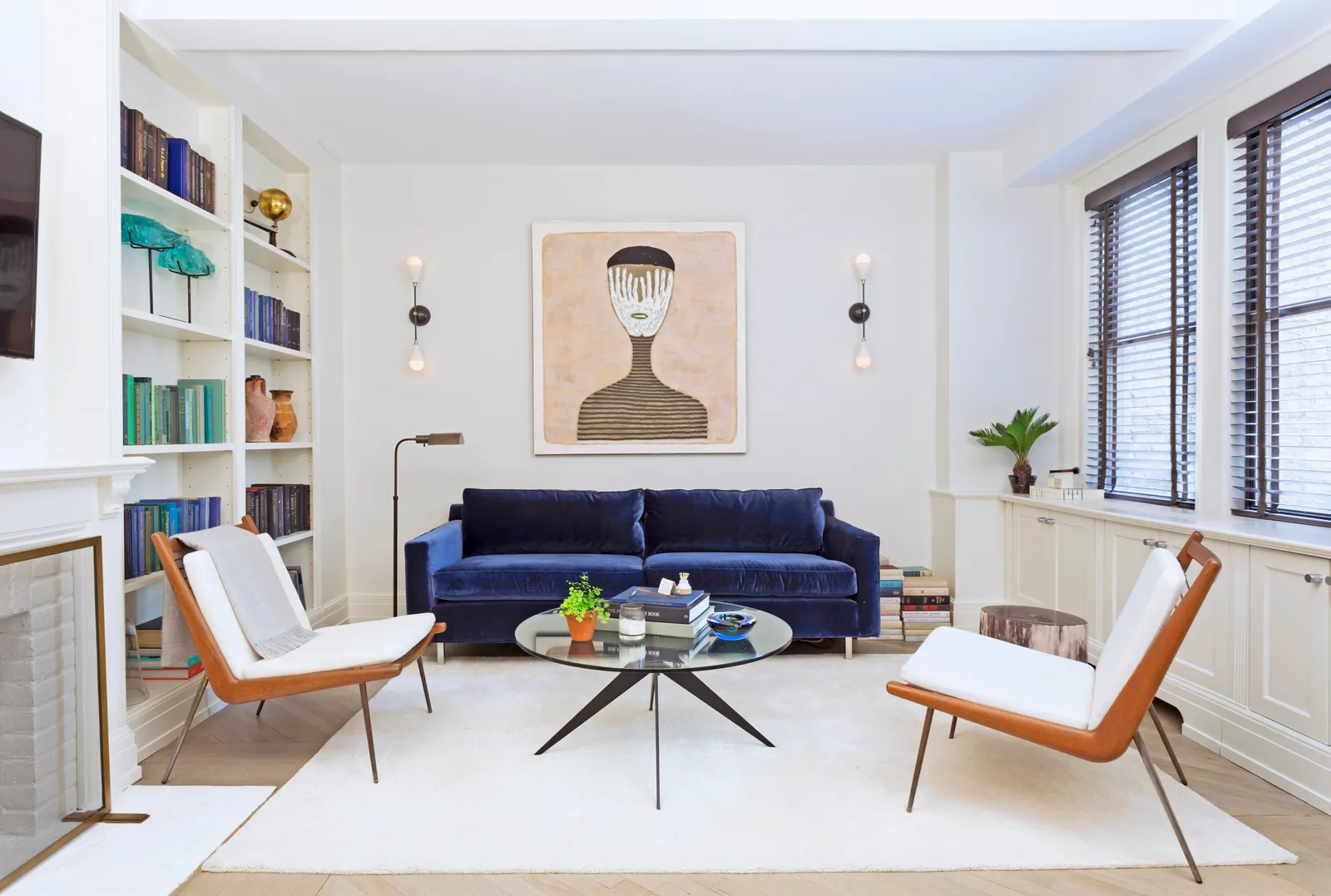
Blue hues are known for their calming effects, making them ideal for bedrooms and bathrooms where relaxation is key. Lighter shades can create a sense of tranquility, while deeper blues can add a touch of sophistication. Be mindful, though, as too much blue can sometimes feel cold; balancing it with warmer accents can create a harmonious space.
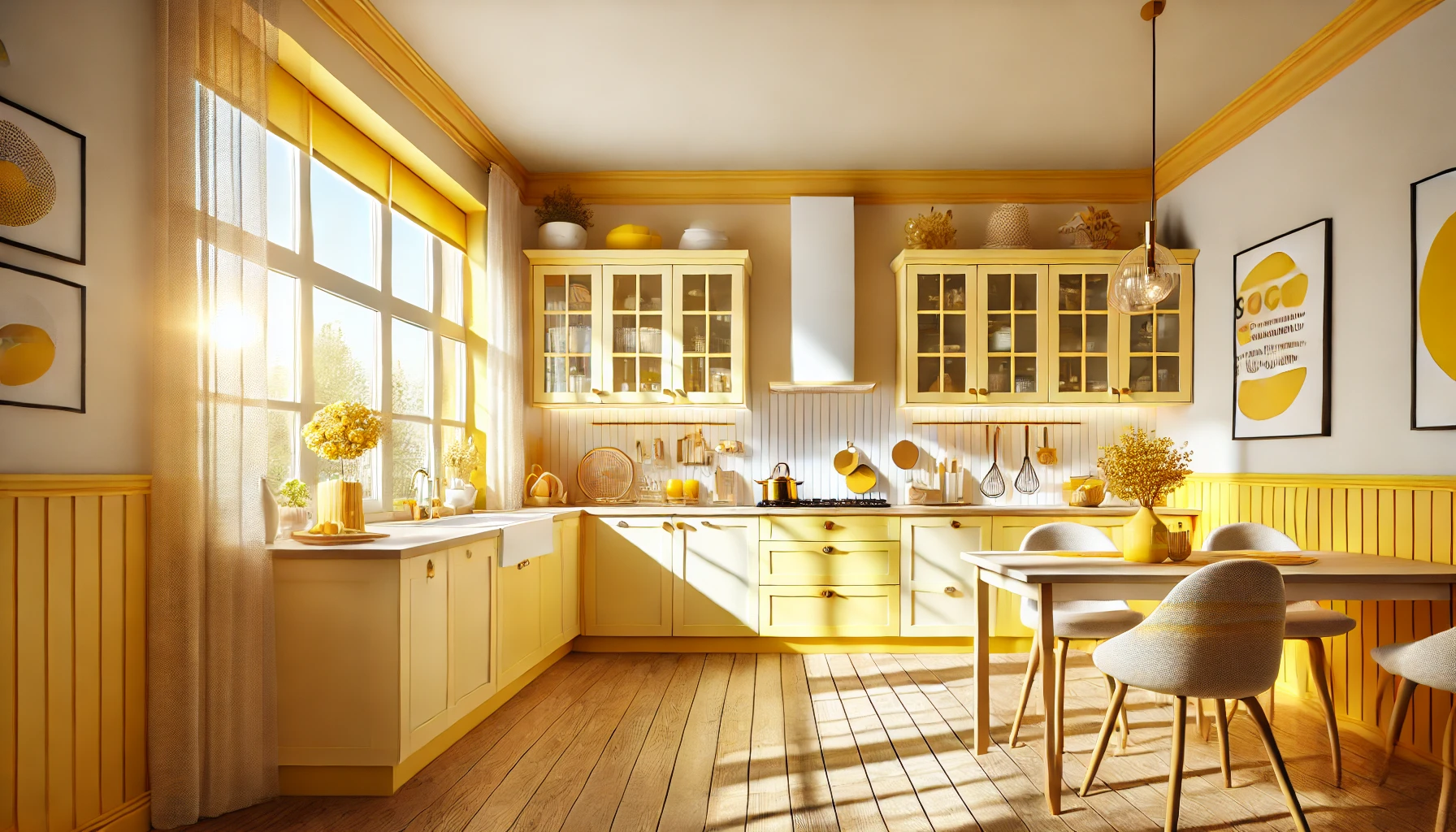
3. Yellow: Happiness and Warmth
Yellow is associated with sunshine and happiness. It's a great choice for kitchens or dining areas, as it can create a welcoming and cheerful atmosphere. Soft, buttery yellows can make a space feel cozy, while brighter shades can energize a room. However, overuse of intense yellow can lead to feelings of frustration, so moderation is key.
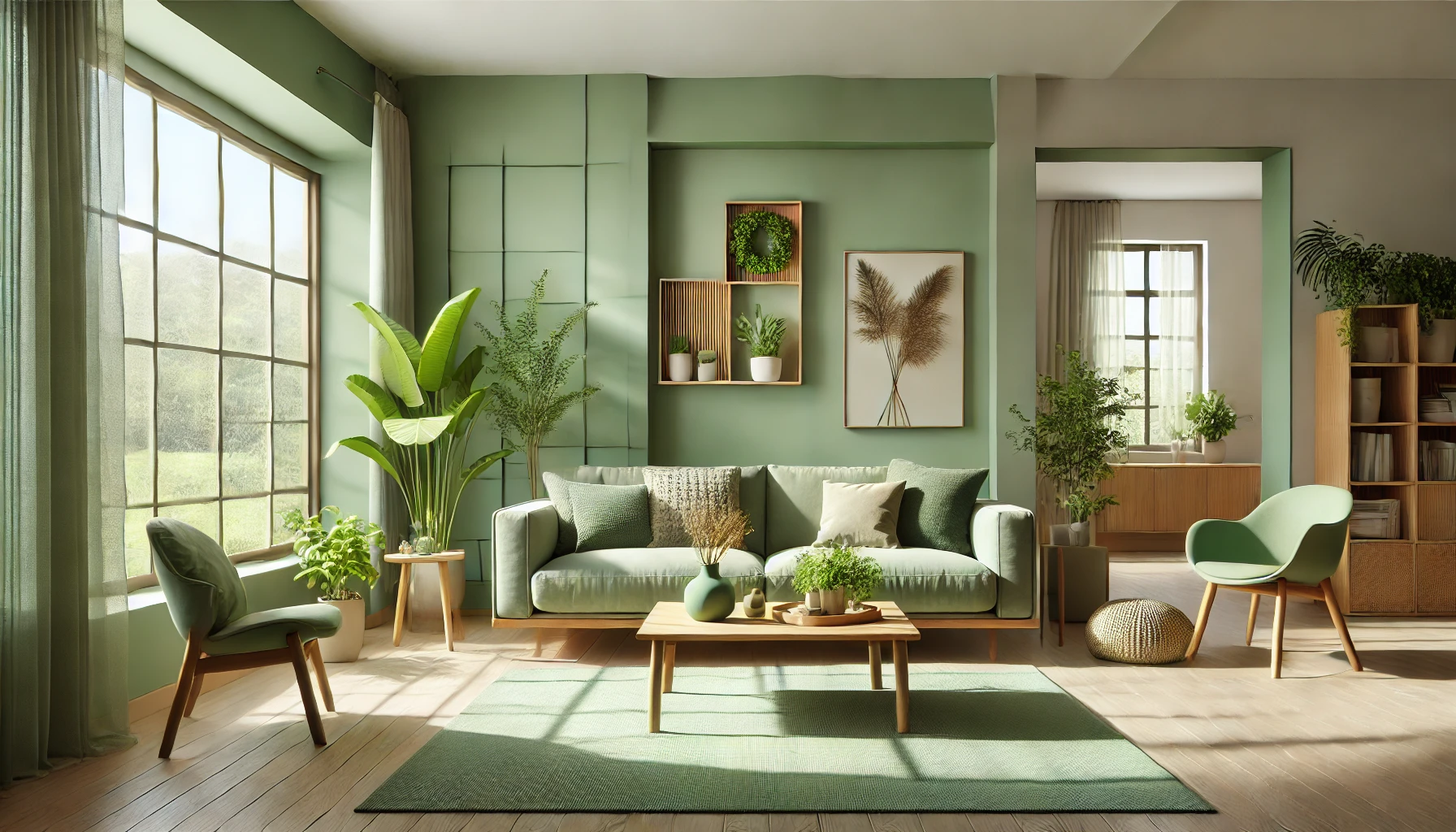
4. Green: Balance and Renewal
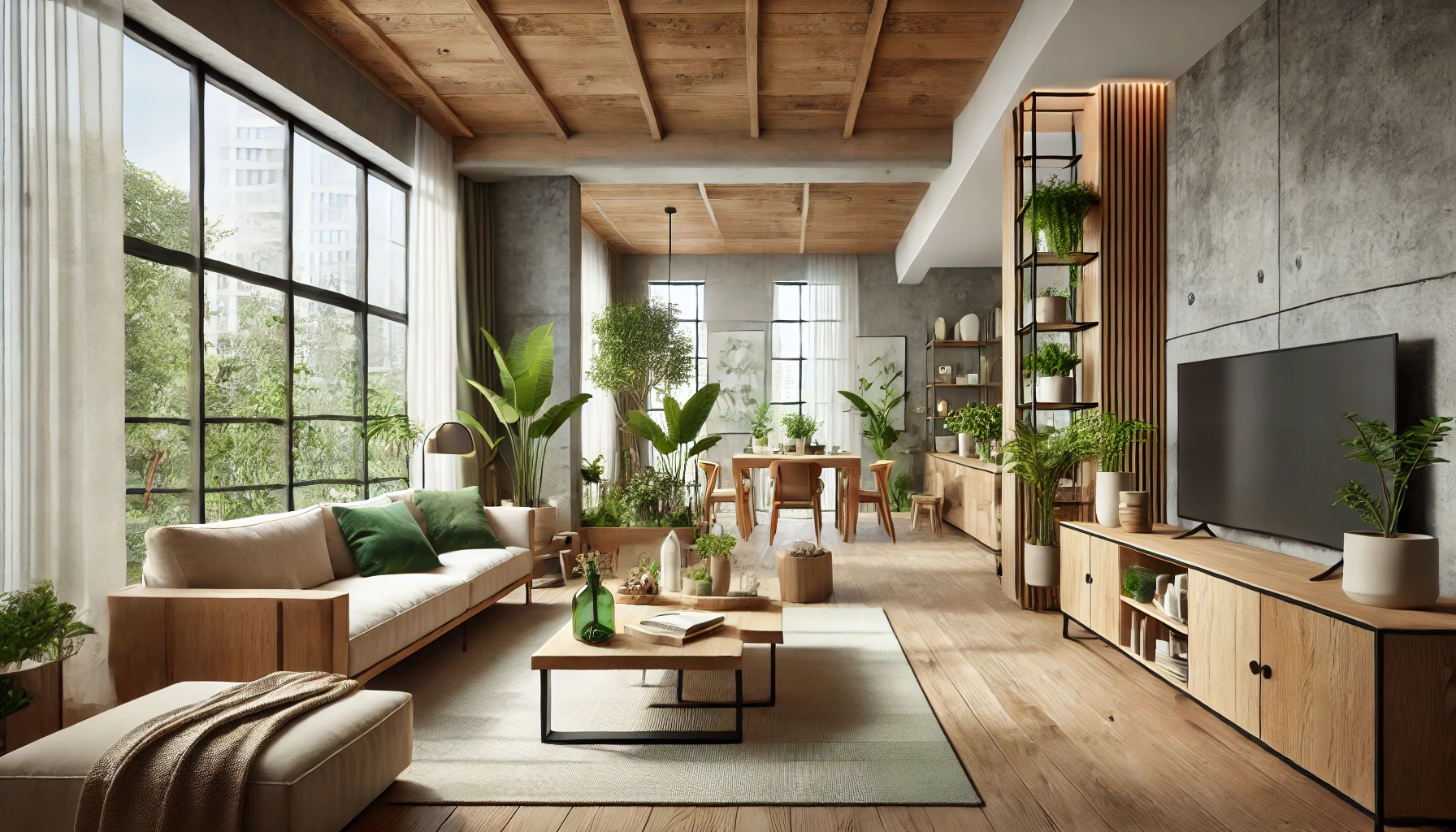
Green represents nature and brings a sense of balance and renewal to a space. It's versatile and works well in almost any room, promoting relaxation and comfort. Soft greens can be particularly soothing in bedrooms and living rooms, fostering a restful environment.
5. Purple: Luxury and Creativity
Purple has long been associated with luxury and creativity. Deep purples can add a sense of drama and richness to a space, making them suitable for formal living rooms or master bedrooms. Lighter shades, like lavender, bring a restful quality, ideal for children's rooms or quiet spaces.

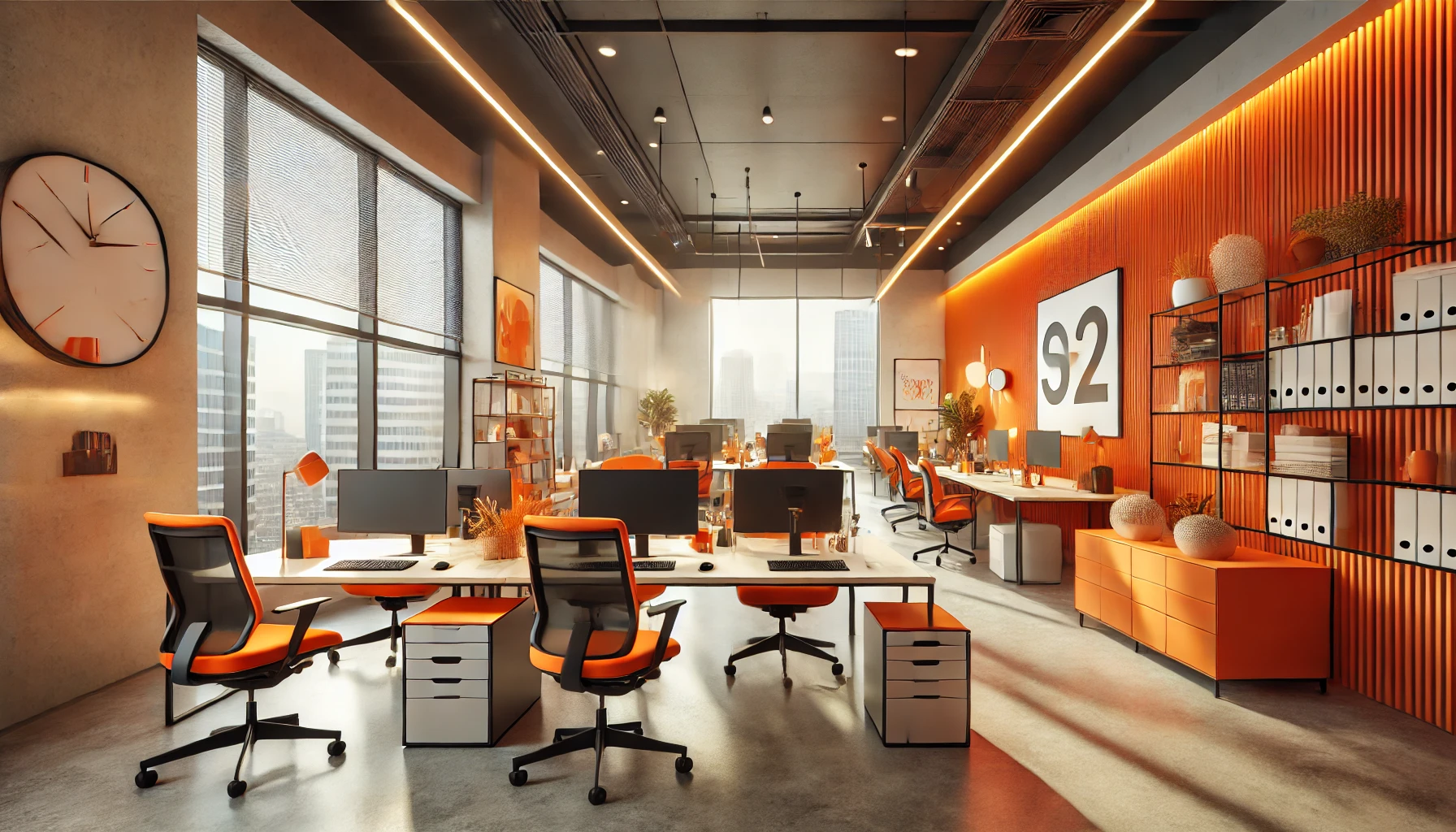
6. Orange: Enthusiasm and Warmth
Orange combines the energy of red and the happiness of yellow, radiating warmth and enthusiasm. It's a dynamic color that can stimulate activity and social interaction, making it suitable for exercise rooms or lively living spaces. Incorporate orange through accents like cushions, artwork, or rugs to add vibrancy without overwhelming the senses.
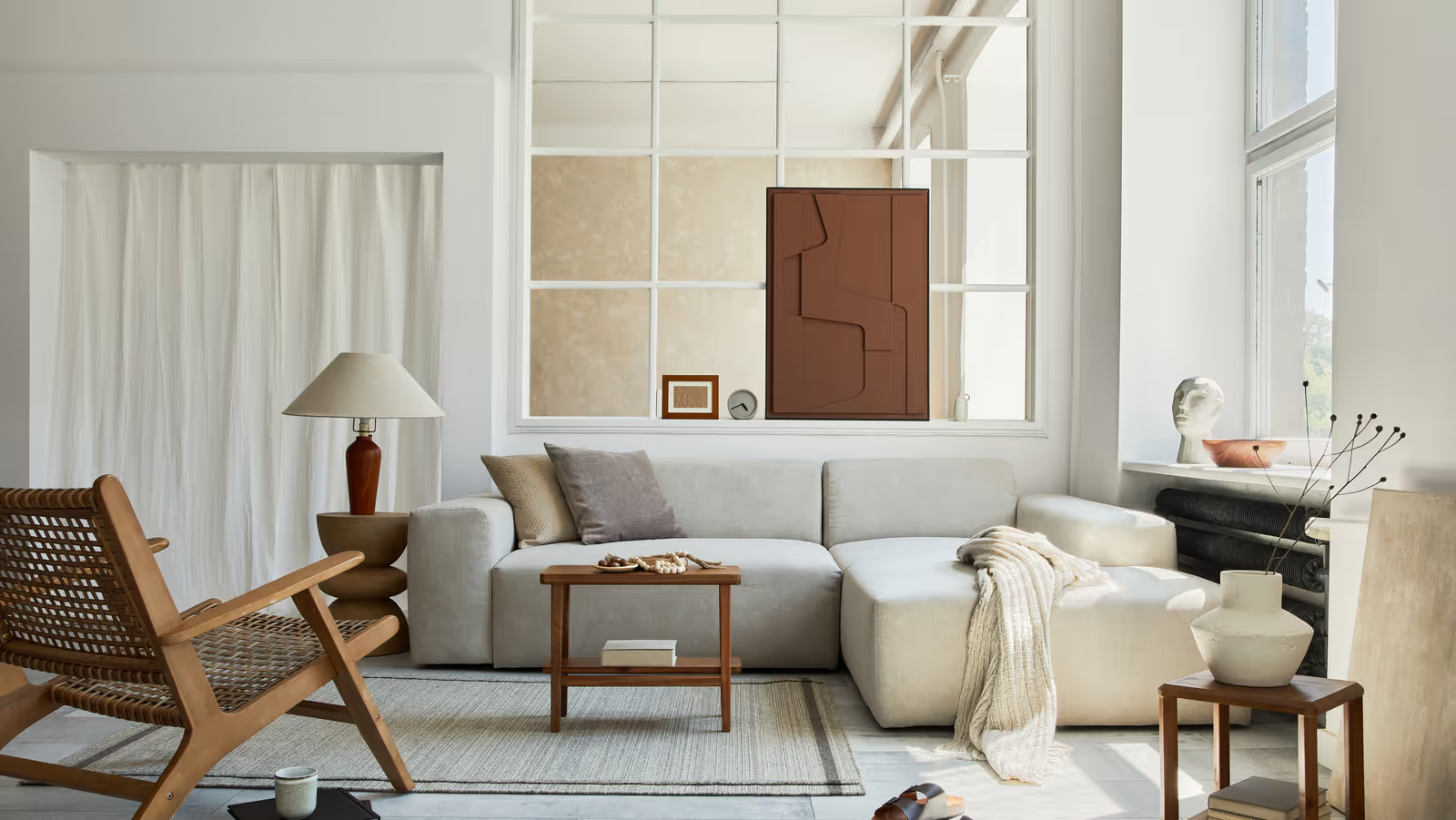
7. Neutrals: Versatility and Balance
Neutral colors like white, gray, and beige provide a versatile foundation in interior design. They offer a sense of cleanliness and simplicity, allowing other colors or design elements to stand out. Neutrals can be layered to create depth and sophistication, and they serve as a calming backdrop in any room.
When selecting colors for your home, consider not only your
personal preferences but also the psychological impacts they
may have. A well-thought-out color scheme can enhance the
functionality of a space and contribute positively to your
mood and well-being.

Insights, Inspiration & Expertise
A well-designed space is more than just aesthetics—it’s about feeling at home, maximizing functionality, and making a lasting impression.
schedule your
free call with us.
Schedule Your Free Consultation
dd.avif)
From breathtaking interiors to thoughtfully curated landscapes, our team is committed to excellence in every project. Based in Addis Ababa, we bring a unique blend of creativity, sustainability, and functionality to create spaces that truly work for you."